
The Craic'n: November 2024

I received several positive comments for including the index to previous editions in the September issue, with one or two asking for a contents list in each edition – so here goes, listed in order appearance: AGM; Why Paddle; Sea Cadets; Night Paddle; Lighting; Ya Ken its a Yurt; Warm Hands; Loch Ard; Ballachulish.
For the Shetland Expedition report, see Trip Reports on the club website (scroll down to black band at the very bottom of the home page) and SmugMug for pictures (click on About US/Gallery/smugmug. Scroll down to 2024 and scroll down to Awesome Summer Expedition).
Read on, enjoy, then let me know what you think of the changes. Ed.
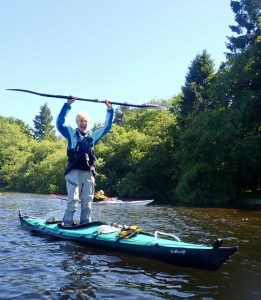
Why I Kayak
by Misha
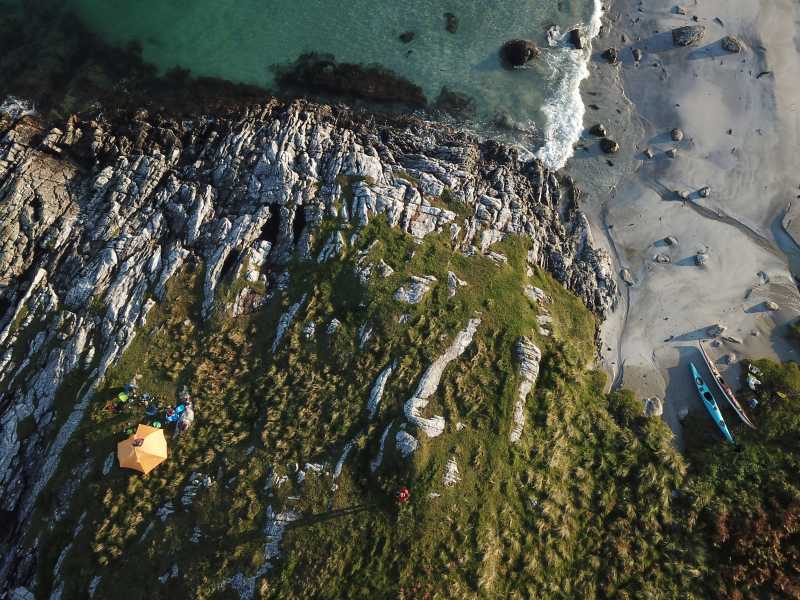
I am sure you could ask ten kayakers and each would come up with a different reason. It’s always nice to listen to people to add perspectives and viewpoints you may not have considered before. I dare say I could answer this question ten different ways, but I will try and boil it down. Kayaking has been the greatest friend to me, and many of my great friends are kayakers, past and present. My university friends, came not from my study, but all from kayaking! The friends have all lasted, even if I quickly dropped out of university.
I’m very fortunate—I ski, windsurf, run, climb, cycle, and more. But kayaking has a unique quality, something that, for me, sets it apart and makes it a constant companion through thick and thin.
– Kayaking is truly a team sport. When we set out on an expedition, no matter how big or small, it’s almost always with a group. It may not fit the traditional image of a team sport where one side competes against another, but teamwork is central to the experience. When things go wrong, it’s your team you rely on. There are no points to score in kayaking; it’s about people, exploration, and the environment—whether facing wind, waves, rain, waterfalls, headlands, or wildlife, or sometimes all at once! It’s tempting to say it’s the team versus the environment, but kayaking teaches you to work with the environment, not against it. There’s an incredible synergy in this. While you can paddle solo, and this can be deeply rewarding, kayaking is inherently a team activity. However far you might go alone, you’ll always go further and more safely with others.
by Joane
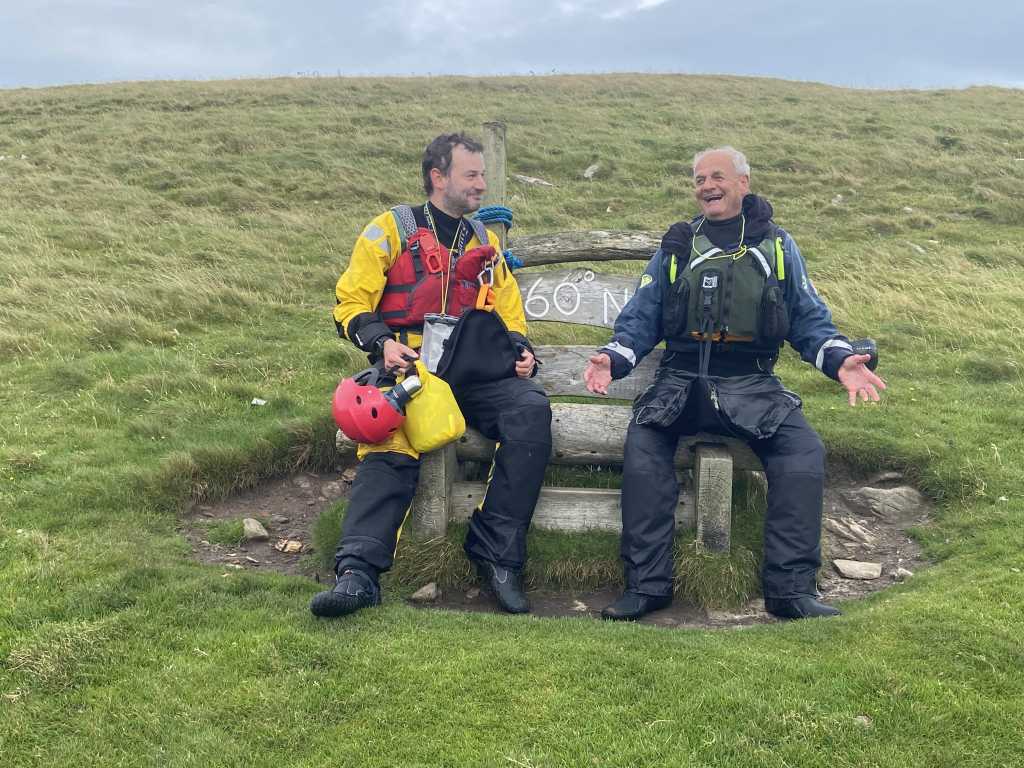
I want to extend a heartfelt thank you to everyone at the Kayak Club for once again facilitating coaching sessions for the Sea Cadets this year.
For the third year running, you’ve generously shared your time, expertise, and resources to give the cadets a brilliant kayaking experience on Loch Lomond.
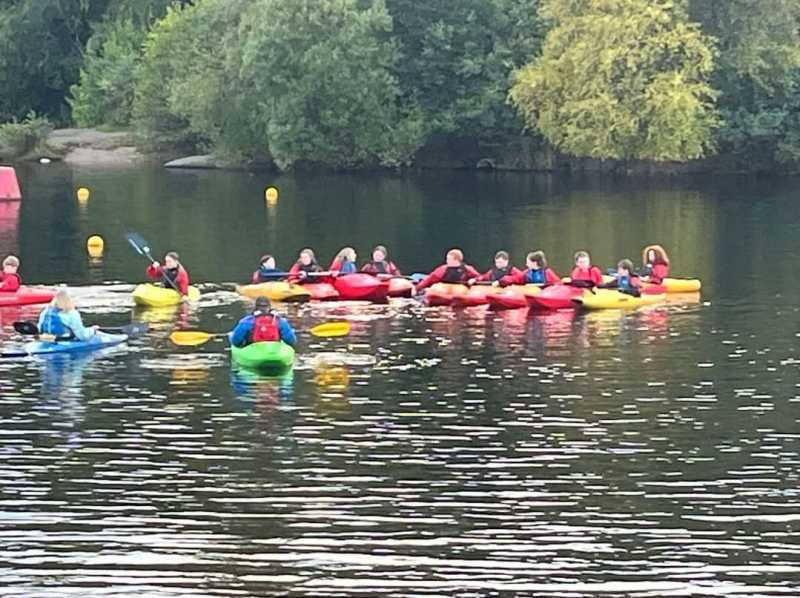
This year, the sessions took place on Monday evenings—September 9th, 16th, and 23rd—from 6:30 to 8:30 p.m. Despite the chill in the air, the cadets were all smiles as they learned new paddling techniques, practised safety drills and built their confidence on the water.
As both an adult volunteer with the Sea Cadets and a DCKC member, I can personally say that watching these young people push themselves and grow over these sessions has been incredibly rewarding.
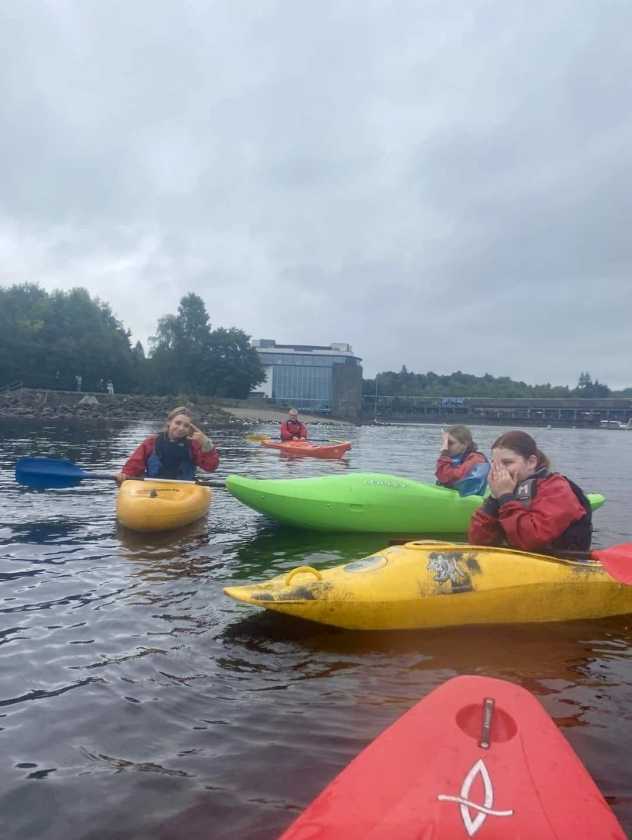
The highlight for many was the day trip on the 21st, where we paddled from Balloch to the River Fruin. That adventure allowed the cadets to put all their new skills to the test and gave them a real sense of achievement.
They returned tired, but buzzing with pride. For some, it was their first time experiencing such a trip on open water, and the positive impact it had was clear. They’re still talking about it a month on!
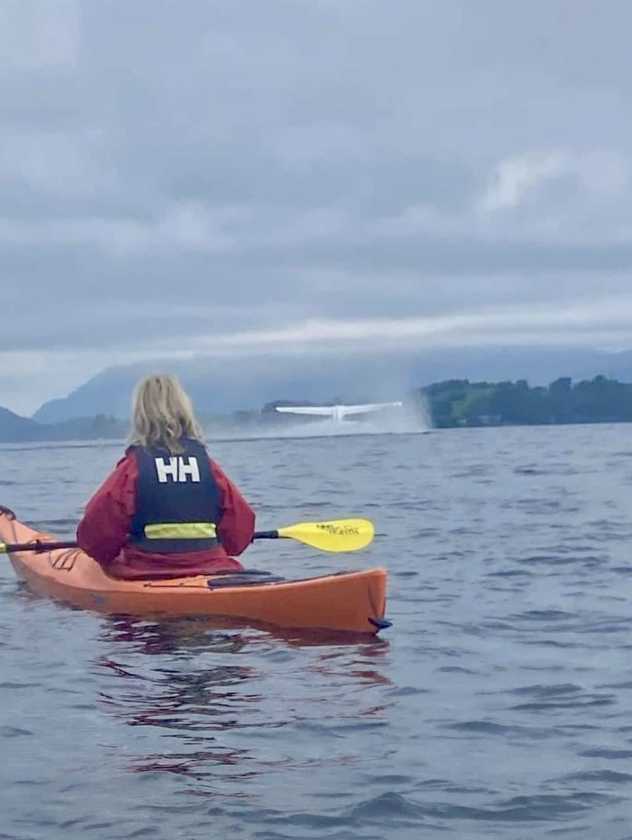
A huge thanks to all the coaches and club members who volunteered their time and made this year’s sessions such a success. Your dedication to supporting young people in the community is invaluable, and the cadets have not only gained kayaking skills but also a deeper connection to the outdoors and a sense of camaraderie.
But don’t just take my word for it, here’s what some of the cadets involved had to say:
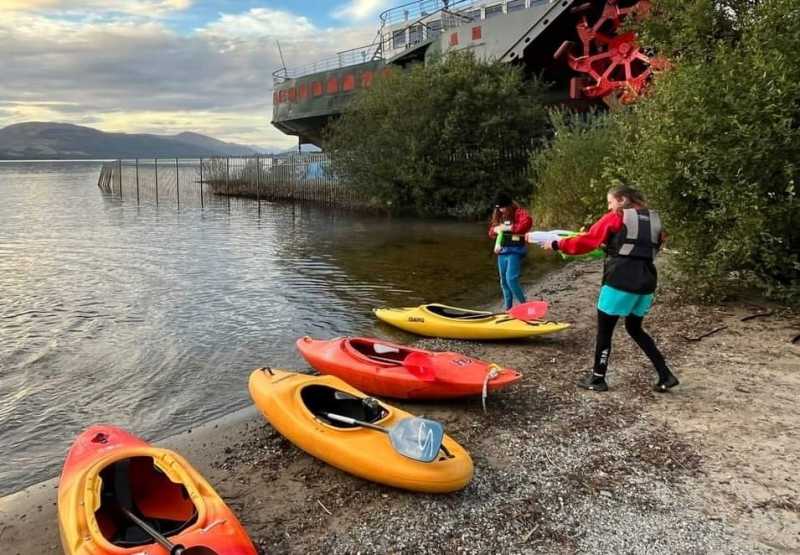
“Kayaking through the sea cadets and DCKC is the experience of a lifetime. You go out on the water with friends and some staff and instructors. Learning is the main point but the instructors do integrate fun into it, there is a lot you learn in the 3 weeks and in the end it all pays off with a day trip on the Loch. In general the experience is one to dream about and connecting with other cadets on the water is a great way to form friendships.” – Cadet 1st class Dominic
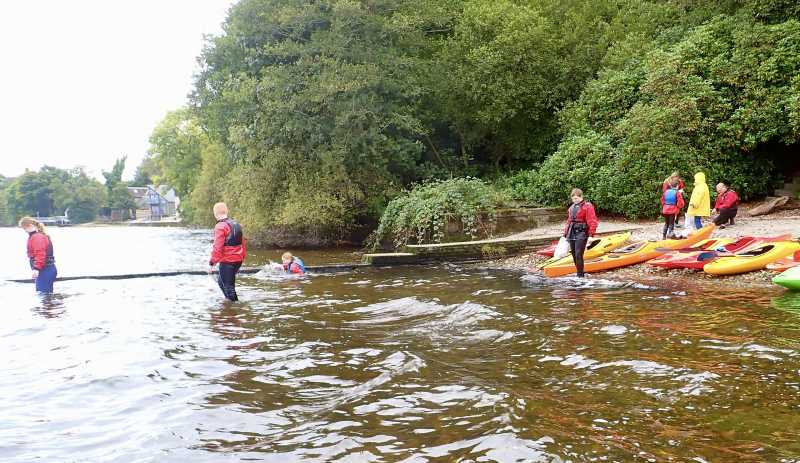
“I would like to thank DCKC and the instructors and staff who made it possible. It was a great experience and an amazing day out. It was nice to do something different and get out on the water. It was enjoyable and relaxed with nice people. Thank you so much for the experience again and looking forward to next year!” -Ordinary cadet Jake.
On behalf of the Sea Cadets, the other volunteers, and myself, thank you again for your continued support. We look forward to working together in the future! If you want to get involved for next year please do get in touch, it’s worth it, I promise! Joane
Ed. Having been on two of the sessions with the cadets, I can fully endorse all the comments about it being both fun and rewarding. I enjoyed the time I spent on the water with this enthusiastic bunch of young people, as I am sure all the other helpers did too.
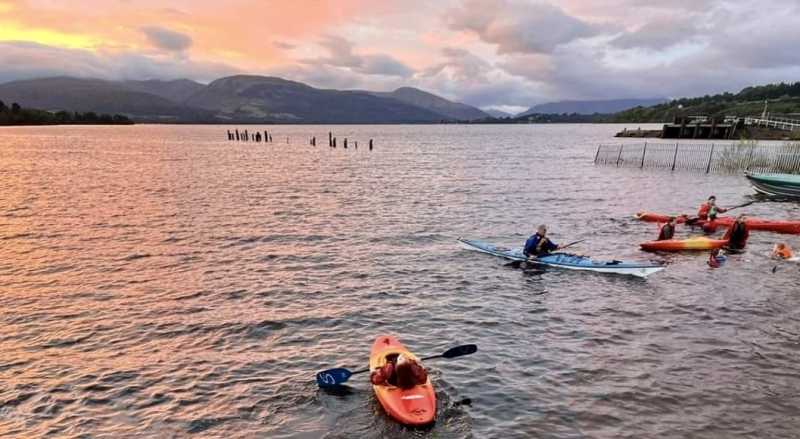
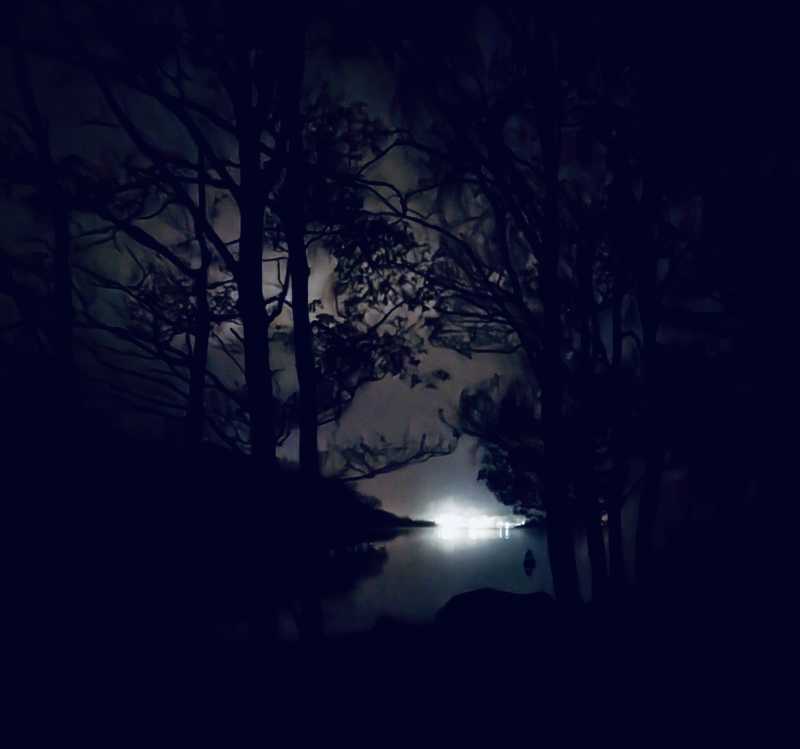
Night Paddle from Luss
by Katie.
On 7th November, a group of around 14 of us headed to Luss for a night paddle, suggested and organised by Misha.
After getting a bit lost finding the meeting point, we quickly sorted ourselves out and headed to the edge of Loch Lomond with all the usual kit, plus head torches.
Misha explained that there are two schools of thought when kayaking in the dark. One is for everyone to be lit up like a Christmas tree: no way you can lose sight of your group that way! But the other approach, which we took, was to keep lights to a minimum. That way, people’s eyes adapt to the dark and their night vision is better.
Misha also suggested that paddling at night uses other senses and skills too, getting a sense of speed, balance and direction from feeling the boat beneath you and your paddle in the water, rather than relying on sight alone.
And it’s true: It’s funny how different even familiar things can look in the dark, let alone the unfamiliar.
I remember as a child waking up in the night and seeing all sorts of strange things leering out of the semi-darkness: a pile of clothes on a chair was surely some strange supernatural being who had snuck into my room somehow, curled into a ball and was watching me sleep.
Even though I knew logically that this could not be a monster or a ghoul, my brain filled the gaps with something illogical. Staring at it as hard as I could didn’t help the shapes make sense, either. Only when the sun came up was it clear that these were just carelessly discarded items from the previous day and all was well, no monsters around.
Night paddling can also make the familiar unfamiliar. Luckily, my imagination is not so active these days, so I don’t have to worry about strange otherworldly beings hanging around threateningly in the dark (no comments about other DCKC members, please!).
Quite the opposite, in fact: to me, night paddling is a tranquil and very enjoyable experience. However, there is a sense of strange “otherworldliness” at times. Especially on a cloudy night, as it was, the water becomes invisible, making it seem like the boat is floating on nothing. And your eyes play tricks on you: is that a waterfall over there? Are those white shapes really swans? Is that bonfire 10 metres away, or 100, or 1000?
Enjoying the familiar made unfamiliar, we were led by James to the island, a beacon guiding the way – a.k.a. the fire that Danny had already lit, having arrived at Inchconnachan Island earlier.
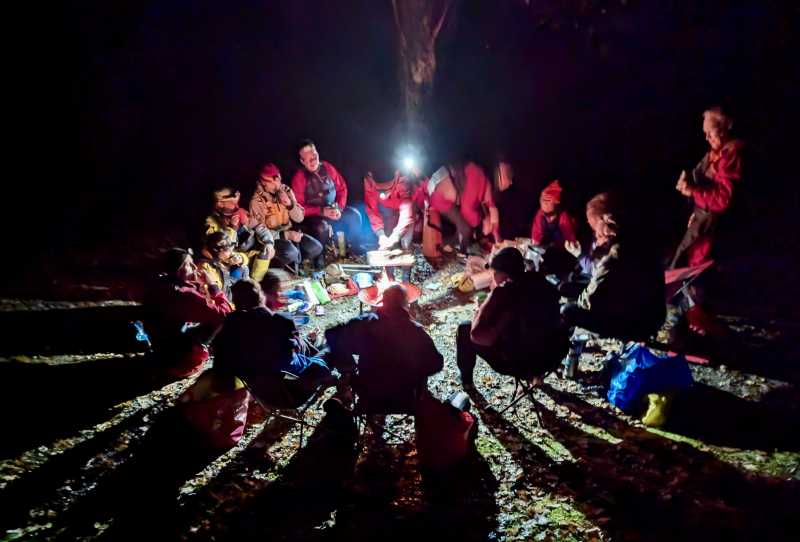
As we all gathered around the flames, food and drink appeared from every direction. I never knew kayaks could carry so much! Hatches were opened and out came soup (Janice’s boat is now a soup-free zone again), bread, hot toddies, crisps, chocolate, and, of course, marshmallows to toast over the flames.
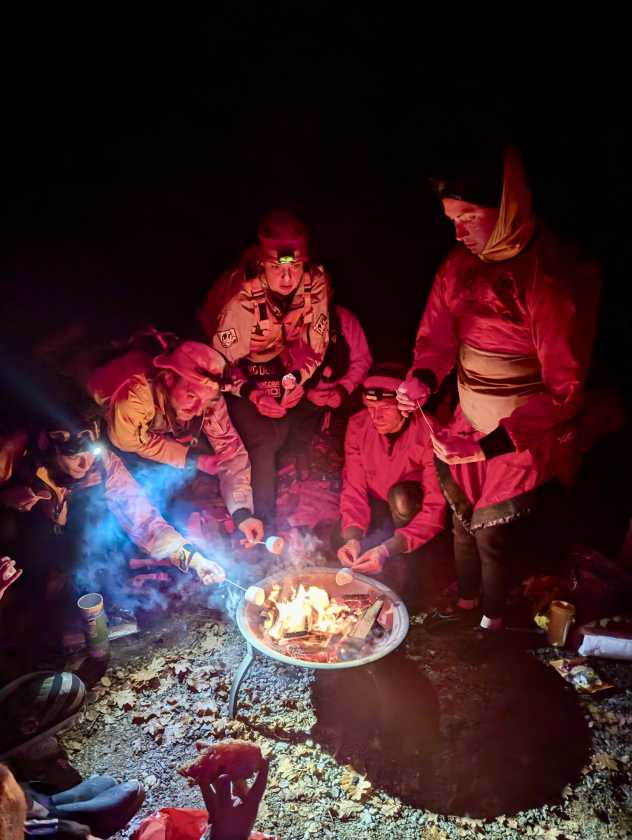
We sat around the fire, enjoying the glow and warmth, and chatted away. Someone reminded us that Inchconnachan is home to feral wallabies brought across by an eccentric countess, although I am disappointed to report that none were spotted…
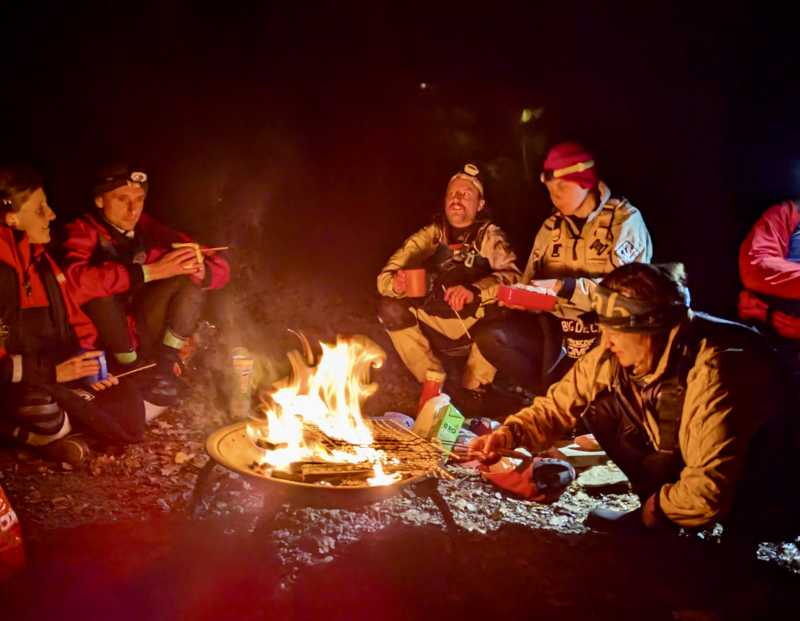
Once fed and watered, we headed back across the still, inky water. I couldn’t see the people paddling ahead of me, but I could hear their gentle, rhythmic splash-splash-splash and see the lights of a building which guided us safely back to shore.
Katie, with thanks to James for the pictures.
Ya Ken It’s A Yurt Weekend: 28/29th September 2024
As remembered by Paddy.
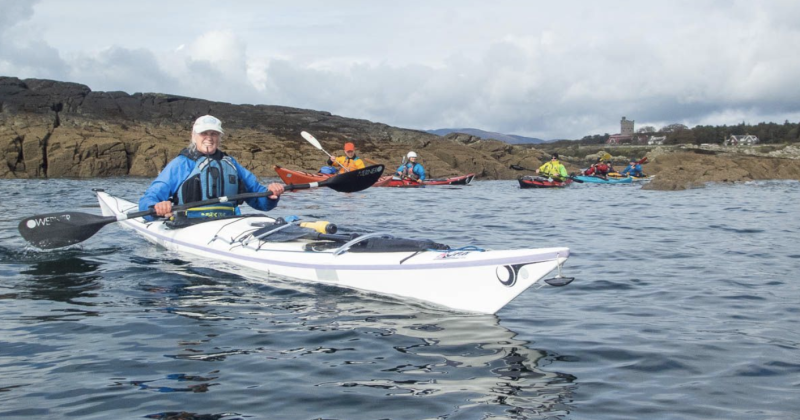
For me, this was a trip of many firsts. I have been a club member since January and already been on a handful of trips, but this was my first multi day weekend and the first club trip for my partner, Emma. It was also the first night for us in our new camper van, and never before had we transported club sea kayaks on the roof. The weekend was a great success on all points.
We collected kayaks from the Miller Street container, and easily tied them on the top of our van. Folk arrived at the Galloway Activity Centre Campsite throughout the evening and, after settling in, joined Danny, trip organiser, at his favourite place – by a camp fire. The site was happily shared with a large group of scouts, whose scout master kindly added to the firewood supplies.
Originally, the group had planned a Grade C paddle around the Mull of Galloway, but the weather conditions did not permit. Instead, Bev as trip leader, came up with a route from Carrick Beach to Brighouse Bay, with a night paddle that evening on Loch Ken.
Two paddles in one day meant an early start, setting off at 7.30; aiming to be on the water for 9 am, which we pretty much achieved.
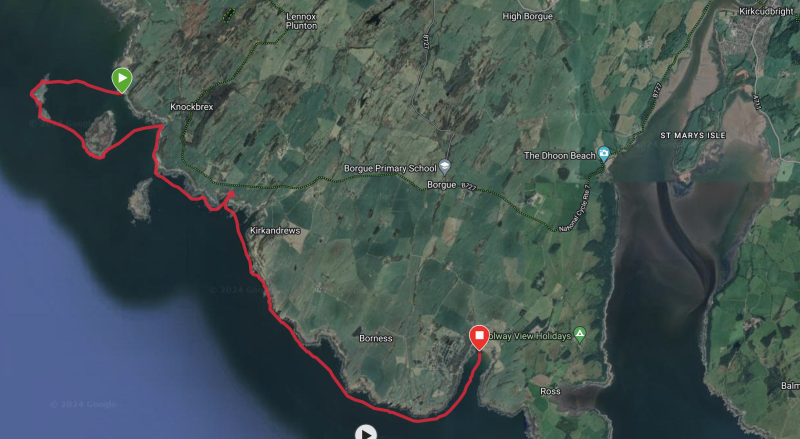
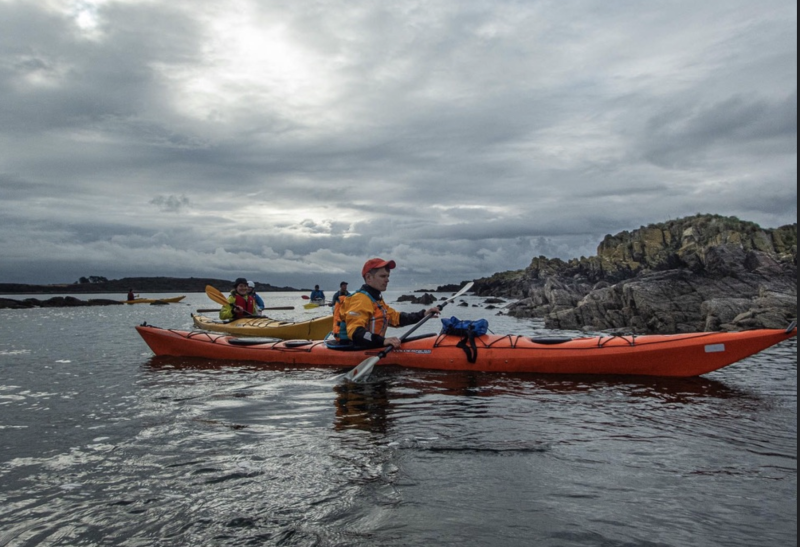
The weather forecast for the whole weekend was overcast with not much rain, and for this trip the wind was behind us for most of the time, with the tide ebbing. We started off exploring around and between the Islands of Fleet, then followed the shoreline, round the headlands to Brighouse Bay.
At one point I remarked that we had not yet seen any seals. Sure enough, five minutes later Danny called out and a cute seal inquisitively followed us for five minutes. We journeyed on, to a slipway at Knock Brex Bay which had a natural harbour, where there were some unusual, cool looking man-made pillars warning of underwater rocks for incoming boats.
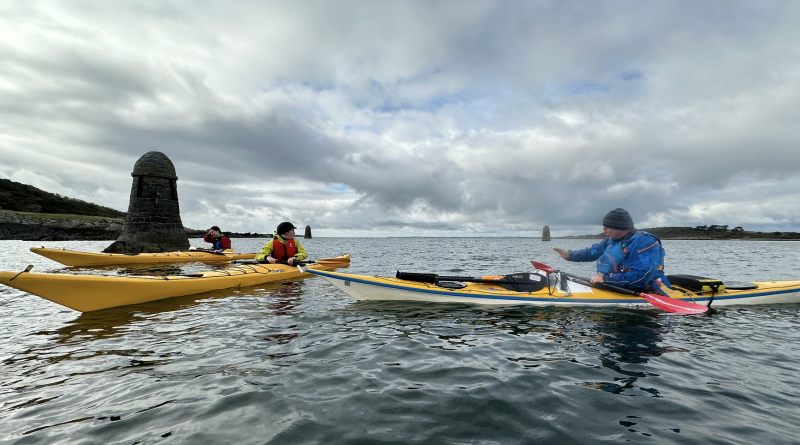
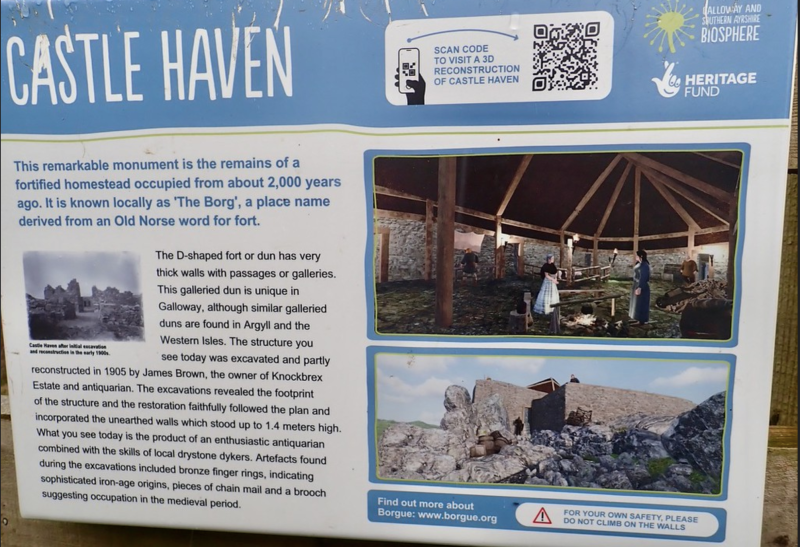
This was simply a photo stop before venturing on to Castle Haven Dun where, sure enough, the rain arrived just as we landed. Sheltering in the castle ruins we ate our lunch and later the sun kindly came out allowing us time to explore the site. The Dun was a round fortified, dwelling very similar to the brochs, found further north.
Back on the water, Misha led a charge around the rocks and shoreline to test out his skills, guiding some of the thrill-seekers into a cave. At this point there was a lot of swell, so everyone re-grouped to make sure the less experienced felt safe, with Bev keeping us in the right direction throughout.
The sea finally calmed and we arrived, tired, at Brighouse Bay where Danny and Geoff had set up a shuttle. Once all the kayaks were stowed on vehicle roofs, we went our separate ways for a post-paddle snack. Emma and I found a great seafood van called Skipper’s Scran Van in Kirkcudbright and enjoyed fresh local scallops with chips.
That evening, as the sun was setting, some of the group headed out for the night paddle on Loch Ken, launching the public slipway just down the road from the campsite.
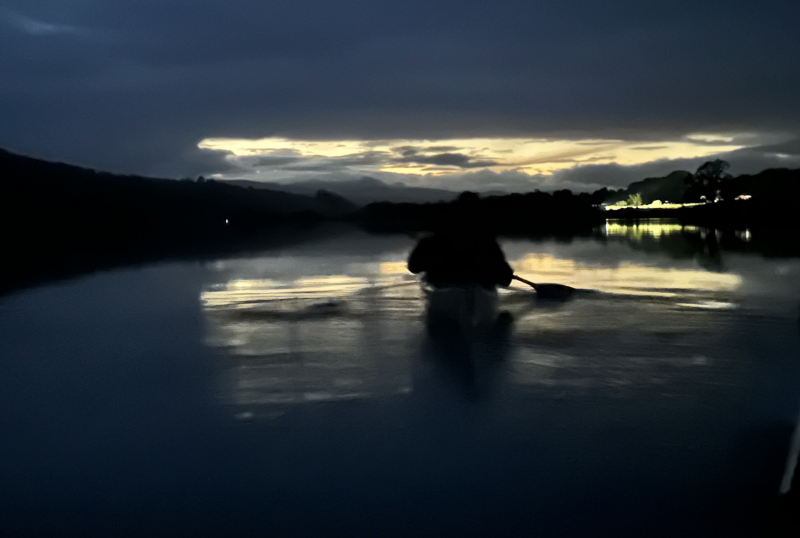
They were not paddling as quietly as Danny hoped – from the comfort of my van, I heard voices on the water and went out to say hello. The paddlers tried to give the scouts a little scare with ghost and ghoul noises, but the scouts didn’t seem to notice, as they were all telling their own ghost stories; it being the weekend before Halloween.
We non-night paddlers, gathered around the campfire for beers and Janice’s home bakes with the scouts sharing their marshmallows as we planned the next trip down Loch Ken.
On Sunday, we woke at a reasonable time with the plan of paddling down to Glenlochar Barrage from the same public slipway as the night paddle. The strong wind was against us going out, but lesser when it was with us on the way back. This was less arduous than Saturday, but even so, for me and Emma it was a bit of a slog for a second day of long-distance paddling. Graham was teaching Emma forward paddling techniques, which she greatly appreciated. For me, it is surprising how much technique goes into paddling in a straight line and making it more efficient.
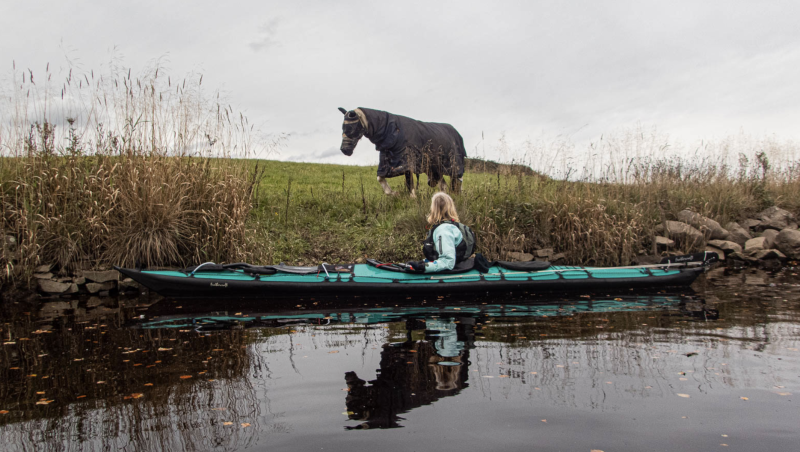
At the weir, we met a very friendly horse who came to say hello and make friends. A local man offered to open up the barrage gate for us, asking ‘do you want through?’ but we declined. On the return we had good views of the distinctive Balmaghie Parish Church and found a lunch spot in-between trees on the loch side, then continued back up the loch to the launch site.
The trip ended disinfecting boats and kit at the cleaning stations provided by the local council. American crayfish have spread to the loch, so it is important to prevent the spread of this alien species and pest by ensuring good boat hygiene. At the end of a busy weekend, we were tired but happy. It was a great trip, and me and Emma look forward to another one. Paddy.
Ed – you can read more about American crayfish here – https://assets.publishing.service.gov.uk/media/5a7bfbe0e5274a7318b9051a/genw0606blai-e-e.pdf and there are plenty more photos from this, and other trips, on the club’s smugmug pages – https://dckc.smugmug.com/DCKC-2024/Dannys-Yurt-Trip
Winter paddling brings its own set of challenges, with cold and wet conditions making it difficult to stay comfortable. While it’s relatively easy to add extra thermals, socks, and a warm hat, keeping your hands warm while retaining dexterity is a trickier task. Here, we’ll explore some of the popular solutions for winter hand warmth, with the pros and cons of each.
Neoprene Gloves
Neoprene gloves are often a first choice for new paddlers facing cold conditions who don’t understand their drawbacks. They resemble ski gloves but are made from neoprene, a material designed to provide insulation.

Pros:
Warmth when wet: Perhaps because neoprene does continue to warm while wet, many naturally think these offer a reasonable solution.
Cons:
Grip and Control: Neoprene gloves can reduce grip and control over the paddle, as the added layer between your hand and the paddle makes it harder to hold naturally.
Hand Strain: The thickness of neoprene can make hands sit more open, leading to strain over time. Many paddlers quickly find these gloves uncomfortable for a day’s paddling.
Summary: Neoprene gloves may appear warm and effective, but the reduced control, potential hand strain, and limited usefulness make them highly impractical for paddling. For most, neoprene gloves end up being a poor investment as the drawbacks outweigh the benefits, and many move on from them quickly in search of better options.
Pogies
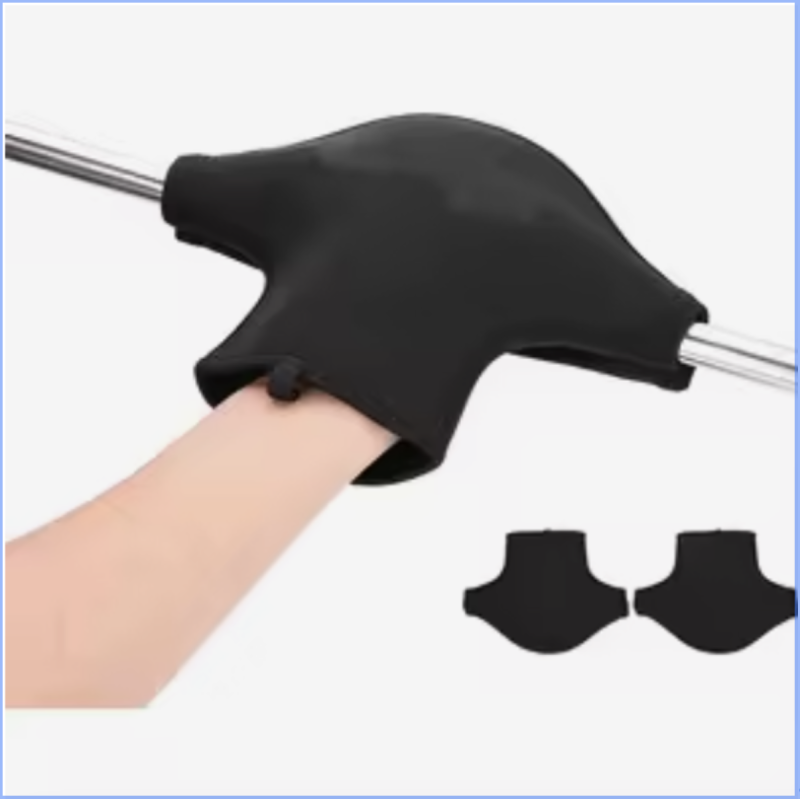
Pogies are a popular, paddling-specific solution. These mitt-style coverings attach directly to the paddle, allowing you to grip the paddle directly while your hands stay shielded.
Pros:
Warmth without Compromise: Pogies keep your hands warm while allowing direct contact with the paddle, which helps maintain control.
Accessible Design: Some models of pogies hold their shape and stay open, allowing hands to be taken in and out easily. This feature can be very useful when quick access is needed or when adjusting gear.
Thickness Options: Pogies come in various thicknesses, typically 3mm and 5mm. For most paddlers, 3mm pogies are sufficient for all but the most extreme conditions in Scotland. The thicker 5mm pogies (such as the NRS Clutch 5mm or Mamba) tend to hold their shape better, making them easier to use and especially beneficial for people who suffer from cold hands—though they can feel almost too warm on milder days!
Affordability and Durability: Even affordable pogies are typically robust, and high-quality versions can last for decades, making them a solid investment.
Cons:
Attachment to the Paddle: All pogies stay attached to the paddle, which can make them awkward to use. Some designs appear to require an extra “third” hand to get your second hand onto the paddle—leading paddlers to sometimes use their mouths to hold the pogie open! This design flaw can make certain models, like Lomos pogies, cumbersome.
Summary: Pogies offer warmth without sacrificing dexterity. If you’re looking for a winter-friendly solution, they’re an excellent option for colder days on the water. Choosing a model that holds its shape and stays open can improve usability, while thickness options allow you to find a warmth level suited to your needs.
Palm-less Mitts [ or Open Palm Mitts ]
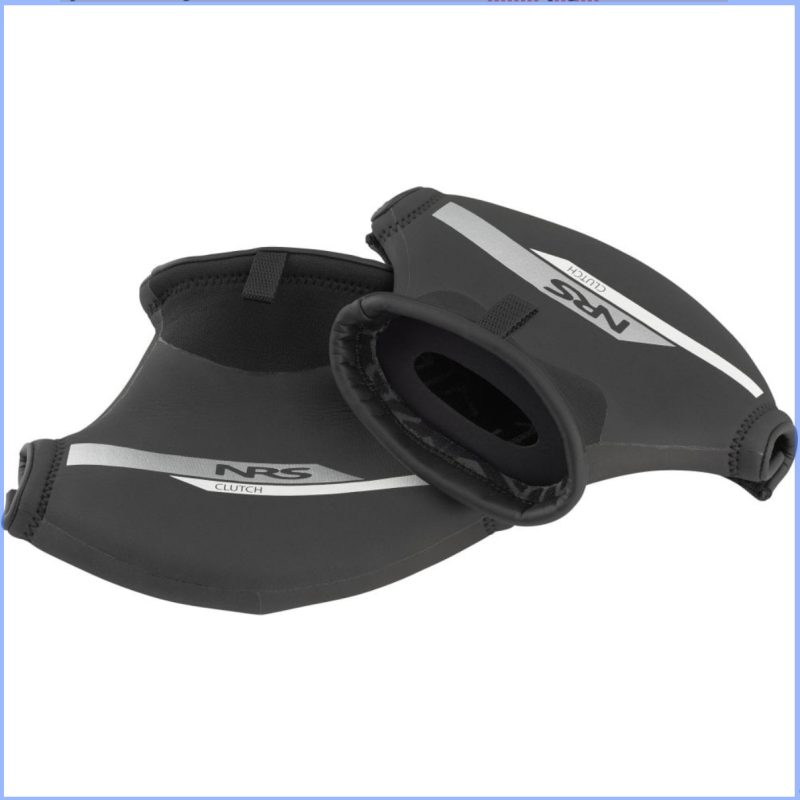
Palm-less mitts are a newer alternative to pogies. These gloves leave your palm free for direct paddle contact but cover the backs of your hands for warmth.
Pros:
Easy Access: Palm-less Mitts stay on your hands continuously, allowing you to use your hands freely without needing to slip in and out.
Layering Option: They work well on in-between days where extra warmth might or might not be needed. They’re lightweight (generally made of much thinner material than poggies), compact, and great to carry as an extra layer.
Easily Folded Back to the wrists to quickly allow full dexterity when needed.
Versatile for Leaders: Palm-less mitts are convenient for group leaders, as they’re easy to stow and ideal to have on hand as spares.
Cons:
Moderate Warmth: Palm-less mitts may not offer the full warmth of 5mm pogies, so they’re best suited for moderate rather than extreme cold.
Durability: While reasonably durable, palm-less mitts don’t last as long as pogies, though they still should last several years.
Summary: Palmless mitts are a versatile option, offering some warmth without compromising grip. They’re best for milder cold, which tends to be what we, as paddlers, experience in maritime environments, and as an extra layer on unpredictable days.
In Summary
For paddlers, keeping hands warm without losing functionality is essential. Many experienced paddlers find that relying on either pogies and/or palmless mitts allows them to maintain hand dexterity and comfort, which is crucial for handling gear, assisting others, or responding quickly to situations on the water. Avoiding traditional neoprene gloves is common due to their limitations in grip and comfort.
If you’re leading a group, it’s even more important to keep your hands functional, as others may rely on you for assistance, navigation, or even just small tasks that could be challenging with cold, stiff or numb hands. By choosing the right winter hand-wear, you can keep your hands warm, functional, and ready for anything winter paddling throws at you. Fortunately, staying relatively comfortable in colder conditions is entirely achievable.
Second Saturday Paddle, November – Loch Ard
by Robert.
November’s second Saturday paddle was a trip around Loch Ard, taking in the various sights on both banks of the Loch. It’s nicely tucked away from the wind, giving a nice relaxing paddle. It started off somewhat misty but throughout the day it lifted around the surrounding mountains. I had never been to Loch Ard before, and also the first time I will have been out on a loch in a kayak, having done all my training at the pool sessions, so I was looking forward to the paddle.
Getting onto the water was only hampered by me being unable to fit into the wetsuit that I had borrowed from the club, thankfully Richard had a 2-piece dry suit that I could use. I was trying out a neoprene spray deck, first time for me, I’ve always used the nylon ones till now; it was great, the nylon ones are a nightmare to get on, you really need about 4 hands to hold down all sides at once and stretch it. The Neoprene one was so much better.
We entered the Loch on from Kinchlochard Village Hall and set off following the north coast of the Loch, in minimal wind.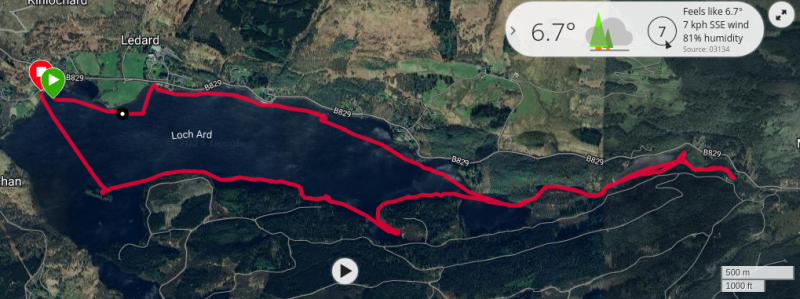
After about 5km of paddling, we took a break around some boathouses, just after going through the narrows and seeing evidence of beavers. There were some fairly large trees that had been chewed down and also a beaver lodge; although we never actually saw any beavers. I had brought some Canelés with me, a small French pastry that is caramel and rum flavoured. They did not survive well to being stored in Tupperware; not as crunchy as they should have been – but they went down well. We continued onto the end of the Loch and found a fence crossing the river that Richard and Liz attempted to limbo under without getting wet, not something I would have attempted as the water was pretty cold.
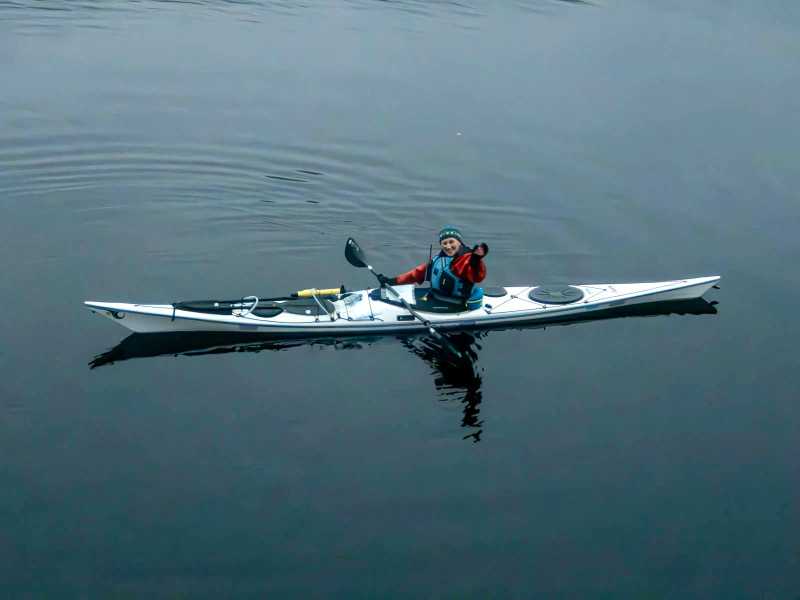
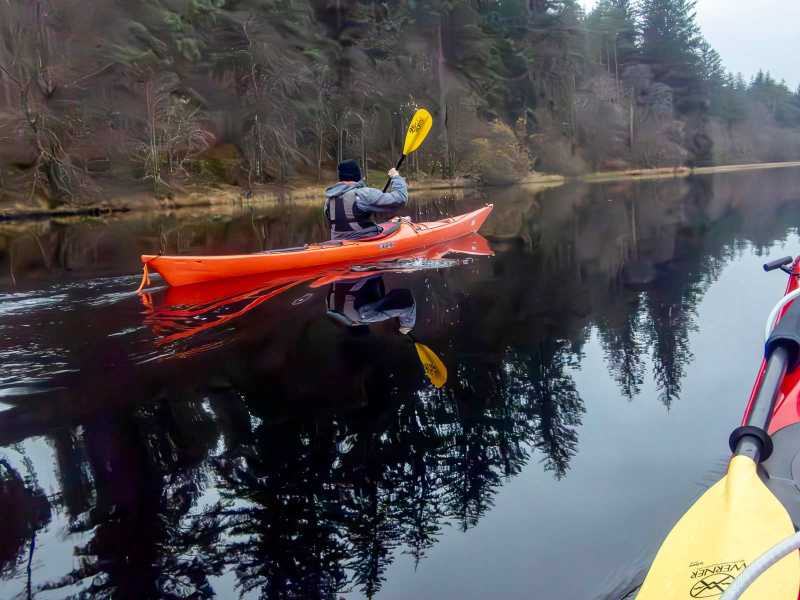
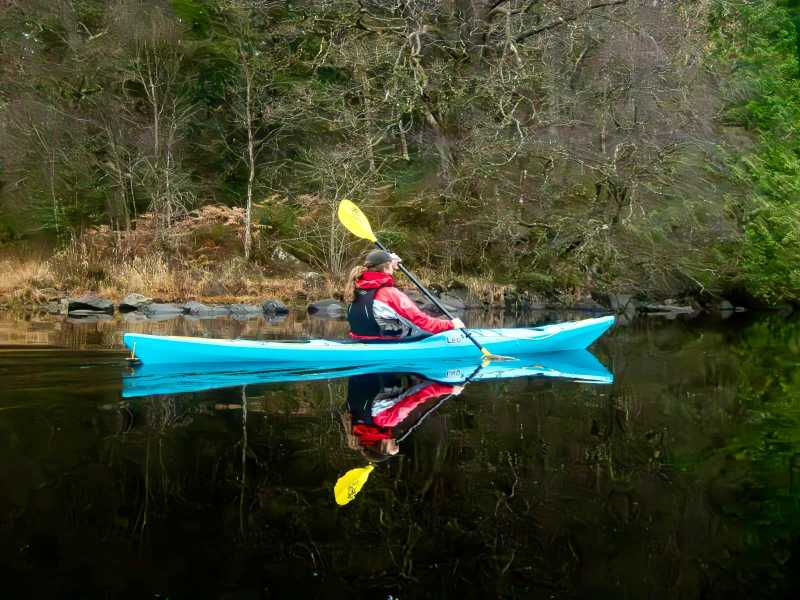
Turning round we were planning to visit two points of interest on the way back, the Duke Murdoch’s Castle and the Bothy on Eilean Gorm. As the day went on the Loch went from calm to glass like and the reflections as we went alongside the southern side of the Loch were beautiful.
First there was the Duke Murdoch’s Castle, on the approach we saw a dipper bobbing up and down looking for larvae etc. A few of us got off onto the island to explore, it was fairly small and there was sadly evidence of people having an open fire on the island.
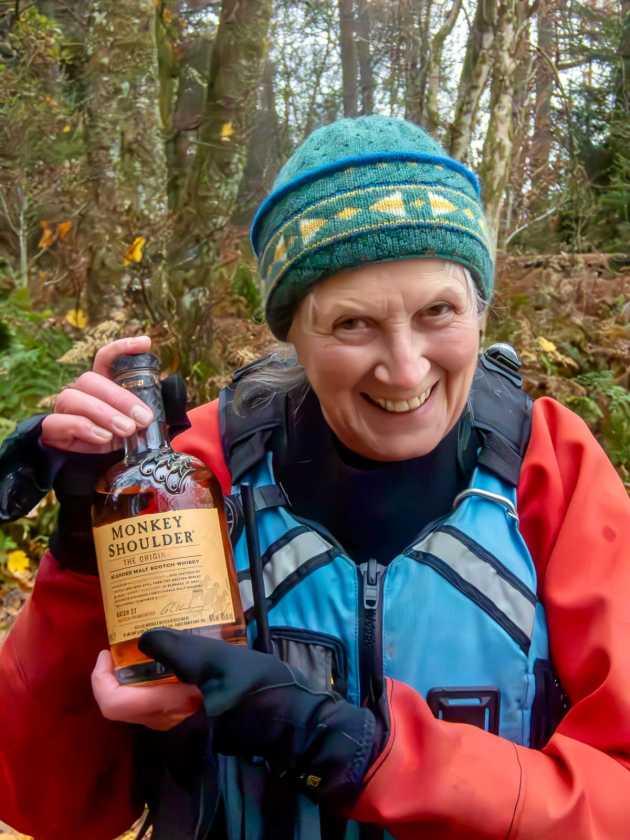
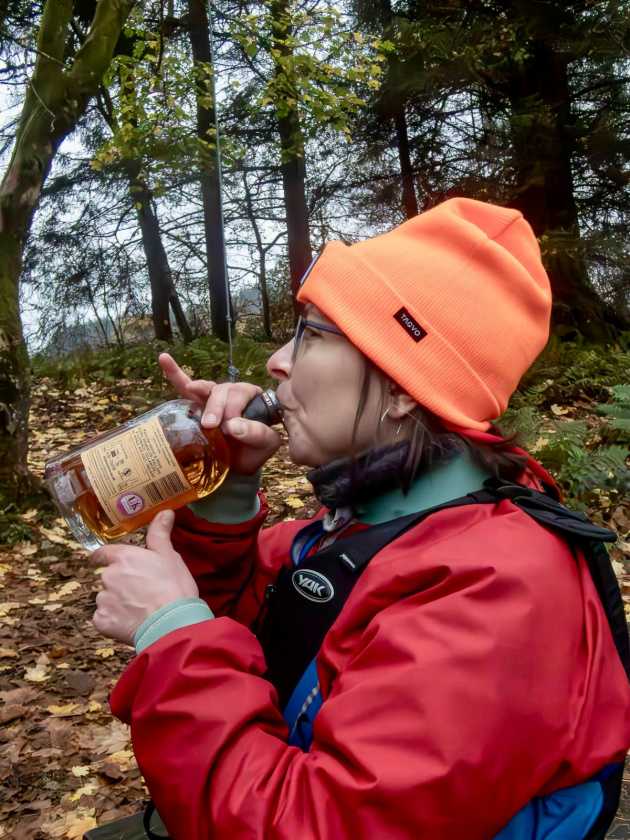
We carried onto Eilean Gorm and met a few other paddlers who gave us a bottle of Monkey shoulder whisky which a lot of our group partook in, not everyone enjoyed it though, and it was left in the Bothy on the island for someone else to have a dram. We ate yet more treats, this time it was Panettone, not helping with ever getting back into a large wetsuit, but it was lovely.
We then set off back to our launch point which was just a short 500m and packed the boats away for the trip back, stopping off for some coffee. I had a lovely day on the Loch, and I am looking forward to exploring more. Total distance 11.19km. Thank you to everyone for the fun and to the trip leaders for organising the trip. (Rob)
Ballachulish Hooray/ Ballachulish Hooley/ Ballachulish blowing a hooley!!!
by June.
Ballachulish Village Hall was the new location for what was previously the biannual Loch Awe weekender.
15 paddlers:- Ian, Mark, Ryan, Katie, Janice, Ross, Denis, Sandy, Misha, Danny, Bev, David, Paul and me were successfully brought together through the fantastic organisational skills of James (paddler 15) and Katherine. Katherine wasn’t padding due to injury, but she was the absolute epitome of leadership, catering and cooking skills, supported by James.
Thanks to both of you.
Katherine had organised separate sleeping and changing areas, the hall was warm, urn on the go, no midges, no rain on canvas, and as Katherine has promised, like camping with a roof – but better.
We knew the weather was going to be a slight challenge, but not one that would stop this group of enthusiastic paddlers getting out on the water.
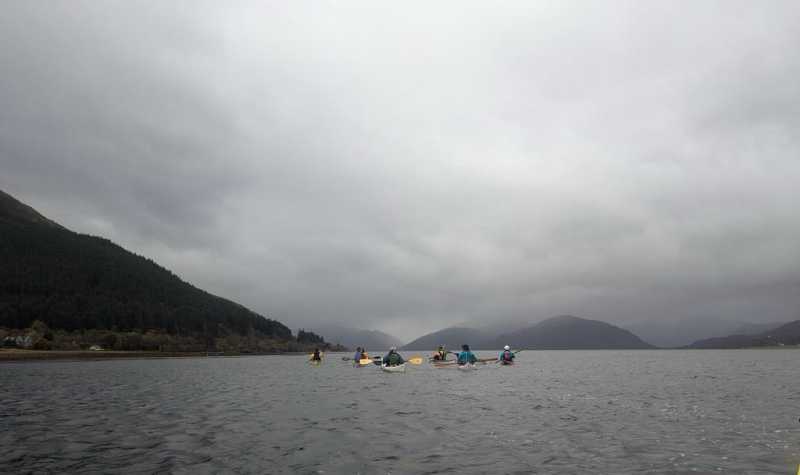
Day 1 was as per the plan made the night before; Sandy, Misha and Paul went to Roybridge for river fun, while a larger group, led by Bev, set off to Kinlochleven to launch. We had debated leaving from Ballachulish to get wind assist heading eastwards up the loch, but on balance it was agreed that there would be some shelter from a southerly wind and the westerly picking up in the afternoon would assist our return to Kinlochleven.
We launched onto the River Leven to have fun in some rapids.
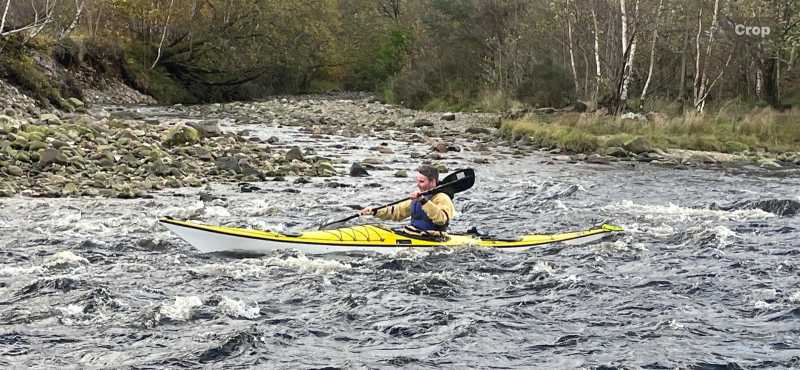
Four of us decided to go in further up where there was a gentle eddy, the river was strong, and the tide was starting to flow upstream, making for interesting conditions. The rapid runners, including some new members, made a very successful job of avoiding the rocks, pipes etc. More pictures showing the action on smugmug – https://dckc.smugmug.com/DCKC-2024/Ballachulish-Weekend.
Funnily enough, the wind did not behave as was forecast – how strange was that – and we found ourselves leaning into a westerly wind, an incoming tide and occasional drizzle. Was everyone happy? You bet; we had a lovely trip watching the sun play on hills, the scenery constantly changing, and noting the lack of birdlife, but we heard the deer rutting and saw seals.
Quick lunch stop, then westward ho. When the wind grew stronger one group stayed in shelter and while others headed further down the loch to the headland just before Ballachulish. A 3-hour journey, then a quick turnaround for a return journey that took just under 1.5 hours.
The rocks and rapids were now gone since the tide was high, so it was much easier to get off the water. Well, it would have been but for the fact that by now the rain was falling in stair-rods. Yes it was definitely stair rods, everyone agreed that, and we knew it because the path had become a stream. The risk now was from mud and slipping on the embankment, but on the plus side no capsizes!!! and everything was rinsed in fresh water.
This is worth restating because the river warriors had insufficient water for their adventures – insufficient water, we had it in buckets; isn’t Scottish weather a hoot!
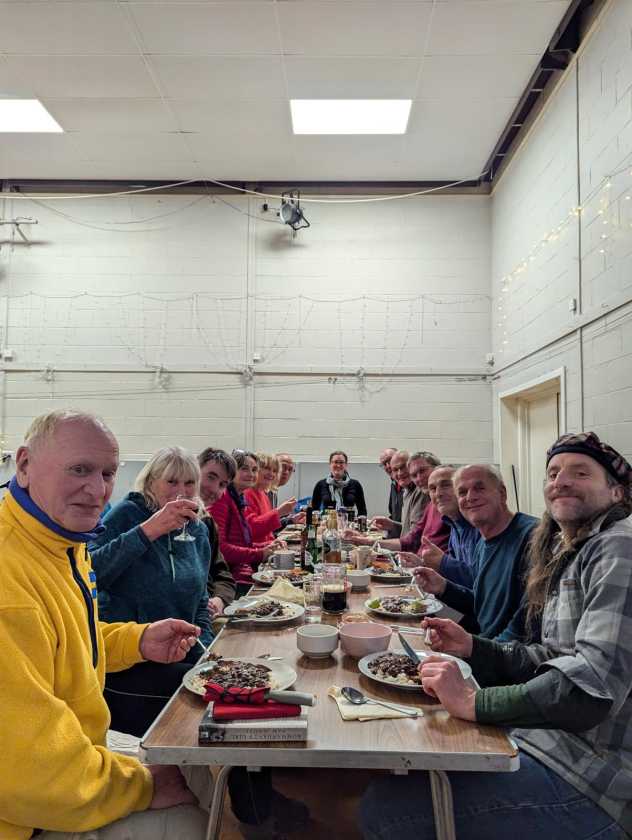
Day 1 evening. Katherine had spent her day walking, then prepared a brilliant meal for us all. It was a fabulous chilli, with loads of accompaniments, see this recipe – https://www.theguardian.com/food/2023/sep/23/vegan-baked-sweet-potatoes-chipotle-beans-tahini-guacamole-recipe-meera-sodha. It is highly recommended and met everyone’s food needs. Janice made a delicious apple crumble – the perfect meal for October paddling, accompanied by, great banter, communal dish washing and great team work.
Day 2
Fewer paddlers today due to work & other commitments, and not enough water for river play *, but before they headed back Denis and Ross made light work of getting the hall back into shape and leaving it as we found it. I think we’ll be welcomed back, whether it’s next year or the following year. (*I laugh every time I write that.)
I joined the day 2 group heading west under the bridge and to Kentallan for coffee. I was well aware that I was the least experienced but I was determined to get out again, and since the wind had subsided, I hoped I could keep up, and not hold the group back. But hey there was that wind again, and there was some debate about strength – F4? Yes, said Bev – F5? wondered everyone else. Either way, it was just another walk in the park /fun paddle for my fellow 8 paddlers that gave me inspiration to get to that place too, both physically and mentally.
I have to thank Bev & James for keeping a watchful eye on me, and to Bev for keeping me off the rocks and telling me when to give it welly. I hope I didn’t slow progress too much.
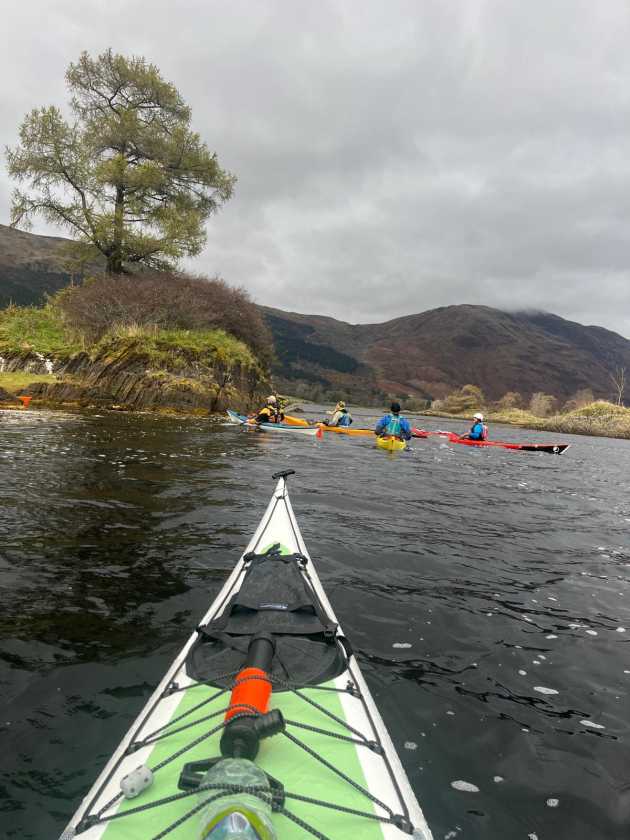
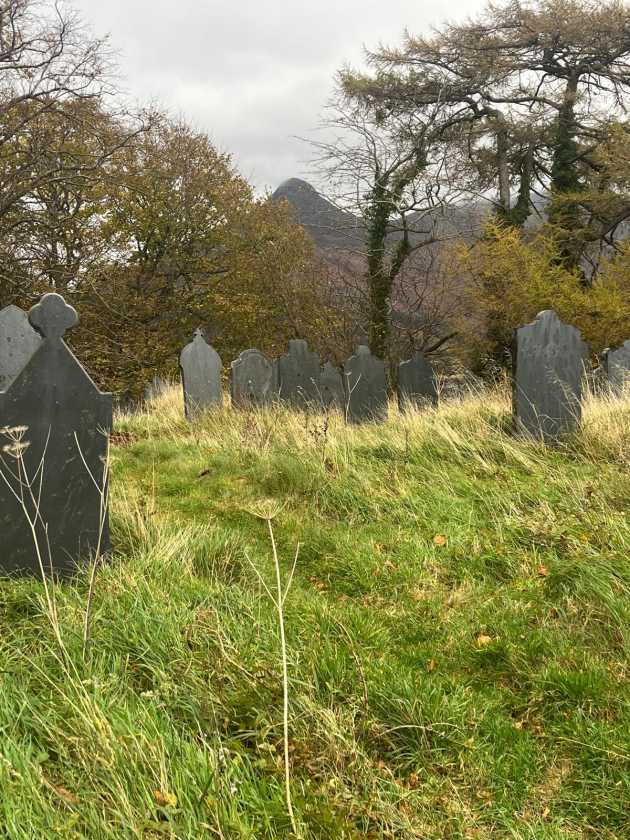
The return journey, was easy enough with the wind behind us, and included a short detour to Eilean Munde; the burial ground of the Stewarts, the MacDonalds of Glencoe and the Camerons. And we saw an otter.
And that’s the joy of these trips, from the kindness of fellow paddlers, their willingness to share experiences and advice, the generosity of leaders like Bev, Misha et al and getting to places others can’t reach.
Whatever is planned for next October make sure you are part of it, it was an exhilarating and joyous adventure, with something for everyone and every ability. June
Events
Calendar of Events
|
Monday
|
Tuesday
|
Wednesday
|
Thursday
|
Friday
|
Saturday
|
Sunday
|
|---|---|---|---|---|---|---|
|
0 events,
|
1 event,
DCKC Pool sessions Our swimming pool sessions happen at Clydebank Swimming Pool every Tuesday evening from September to the end of April. Generally these are informal sessions which offer the […] |
0 events,
|
1 event,
Pinkston Watersports is an artificial white water course in the outskirts of Glasgow. The club have a regular Thursday night slot which runs from 8pm to 9.30pm. It is a […]
£10
|
0 events,
|
0 events,
|
0 events,
|
|
0 events,
|
1 event,
DCKC Pool sessions Our swimming pool sessions happen at Clydebank Swimming Pool every Tuesday evening from September to the end of April. Generally these are informal sessions which offer the […] |
0 events,
|
1 event,
Pinkston Watersports is an artificial white water course in the outskirts of Glasgow. The club have a regular Thursday night slot which runs from 8pm to 9.30pm. It is a […]
£10
|
0 events,
|
2 events,
A social paddle on the Second Saturday of each month. These will be "Grade A" paddles, exploring interesting locations around Glasgow - coasts, lochs, canals etc. TRIPS & ORGANISERS - 2026 […] 
Autumn rivers 2026. Some river paddling dates, venue will depend on weather/rain but format will be a river trip, a bit of coaching, leadership and rescue skills and suitable for […] |
0 events,
|
|
0 events,
|
1 event,
DCKC Pool sessions Our swimming pool sessions happen at Clydebank Swimming Pool every Tuesday evening from September to the end of April. Generally these are informal sessions which offer the […] |
0 events,
|
1 event,
Pinkston Watersports is an artificial white water course in the outskirts of Glasgow. The club have a regular Thursday night slot which runs from 8pm to 9.30pm. It is a […]
£10
|
0 events,
|
1 event,
Autumn rivers 2026. Some river paddling dates, venue will depend on weather/rain but format will be a river trip, a bit of coaching, leadership and rescue skills and suitable for […] |
0 events,
|
|
0 events,
|
1 event,
DCKC Pool sessions Our swimming pool sessions happen at Clydebank Swimming Pool every Tuesday evening from September to the end of April. Generally these are informal sessions which offer the […] |
0 events,
|
1 event,
Pinkston Watersports is an artificial white water course in the outskirts of Glasgow. The club have a regular Thursday night slot which runs from 8pm to 9.30pm. It is a […]
£10
|
1 event,
Following in the tradition of the longstanding Loch Awe Village Hall weekends, we have booked Ballachulish Village Hall for a combined River and Sea weekend. This trip is in need […] |
||
|
0 events,
|
1 event,
DCKC Pool sessions Our swimming pool sessions happen at Clydebank Swimming Pool every Tuesday evening from September to the end of April. Generally these are informal sessions which offer the […] |
0 events,
|
1 event,
Pinkston Watersports is an artificial white water course in the outskirts of Glasgow. The club have a regular Thursday night slot which runs from 8pm to 9.30pm. It is a […]
£10
|
0 events,
|
0 events,
|
0 events,
|
You must be logged in to post a comment.